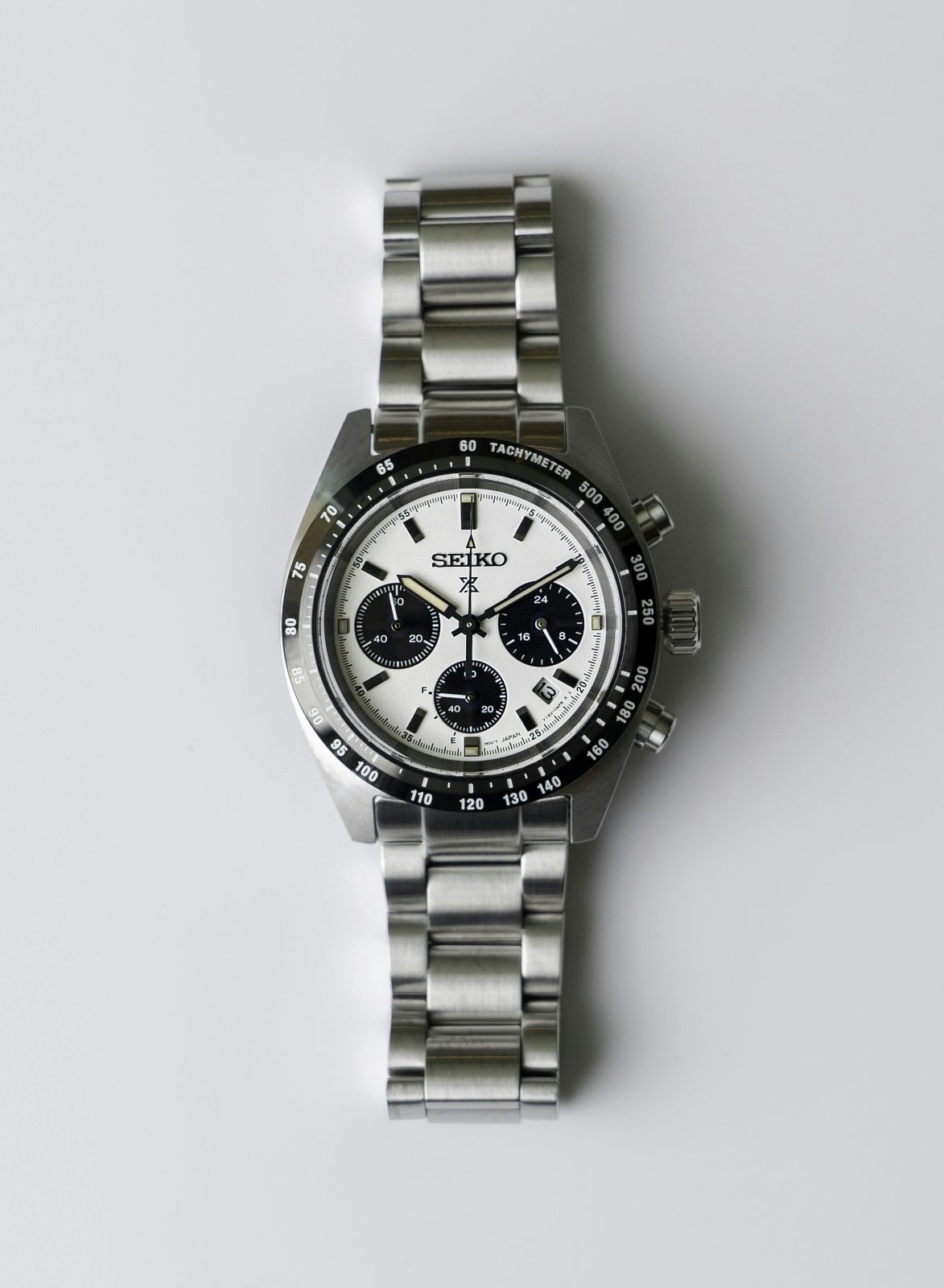
Your First Mechanical Watch: A Calm Buying Guide
What to know before you buy, explained without the jargon.
By The Lookout Editors · 6 min read · October 2026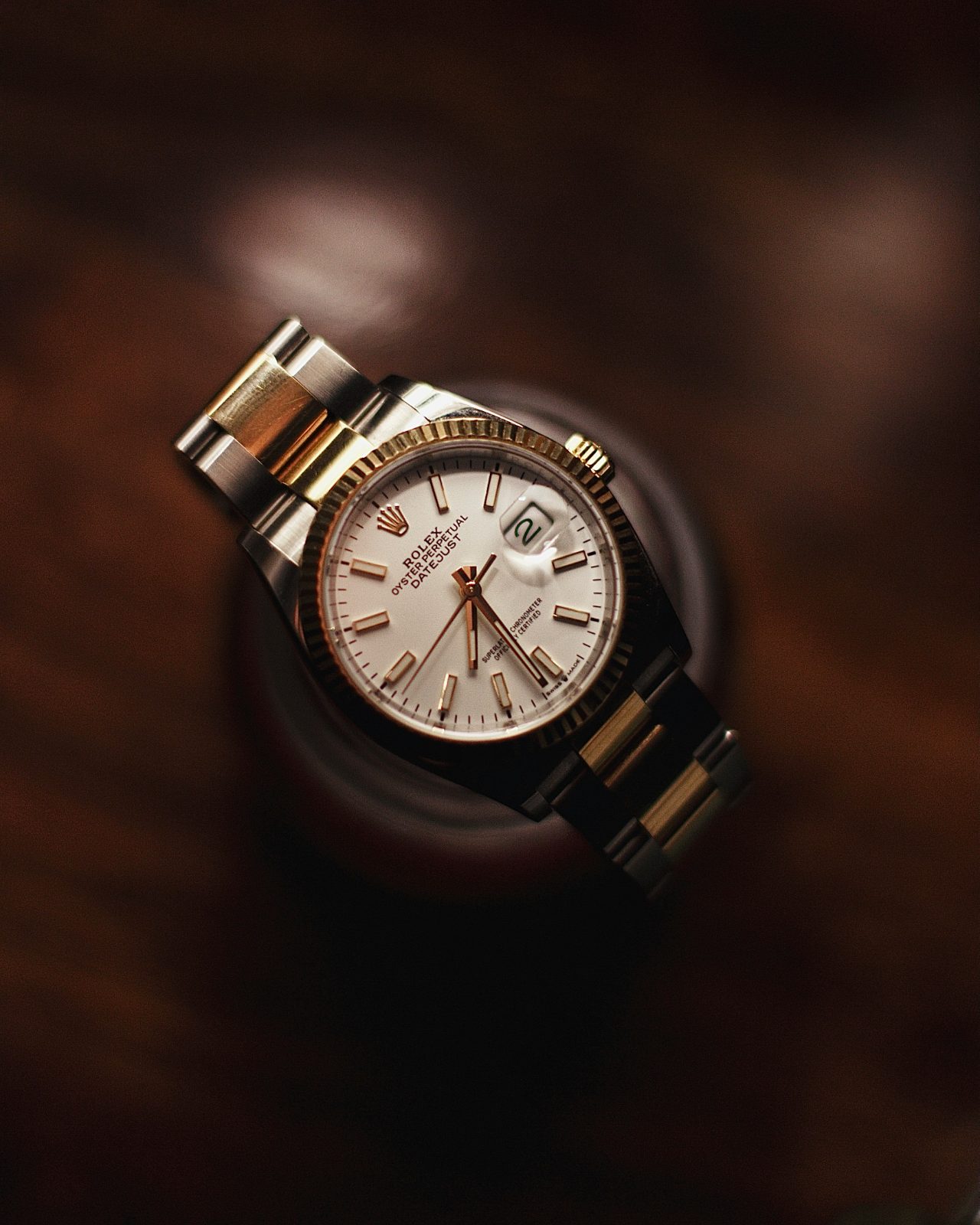
Unsplash
A mechanical watch has no battery. Inside the case, a coiled spring stores energy and releases it through a train of tiny gears, and that steady release is what moves the hands. It is slower, less precise and more expensive than a quartz watch, and that is exactly why people love it. This guide will help you choose your first one without feeling lost.
Manual or automatic?
A manual-wind watch needs you to turn the crown every day or two to wind the spring. An automatic watch winds itself from the movement of your wrist, so it keeps running as long as you wear it regularly. Automatics are more convenient for daily wear. Manual watches tend to be thinner and give you a small daily ritual. For a first watch, most people are happier with an automatic.
Size matters more than you think
Most people look best in a case between 36 and 40 mm across, though your wrist and taste decide. Just as important is the lug-to-lug length, the distance from the top lug to the bottom lug. If it is wider than your wrist, the watch will overhang and feel awkward. Try before you buy whenever you can, or check the measurements carefully against a watch you already like.
The best first watch is the one you actually want to wear every day.— The Lookout
What the specifications really mean
Water resistance. A rating of 30 metres means it will survive a splash, not a swim. If you want to swim in it, look for at least 100 metres, and check that the crown is a screw-down type.
Crystal. Sapphire crystal is far more scratch-resistant than mineral glass and is worth having on a watch you will wear daily.
Power reserve. This is how long the watch keeps running after you take it off. Many automatics run for around two days, and some run much longer. It matters if you rotate between several watches.
Accuracy. Mechanical watches are not perfect. A few seconds of gain or loss per day is normal. A certified chronometer is held to a tighter standard, but you do not need one to enjoy a good watch.
Where to spend, where to save
Spend on the things you will notice every day: a case size that fits, a comfortable strap or bracelet, a dial you enjoy reading and a reliable movement. Save on extras you may never use, like complicated features and limited-edition packaging. A simple three-hand watch from a respected maker will serve you well for years, and independent and microbrands often give excellent value for the money.
Looking after it
Keep it away from strong magnets, such as speakers and some phone cases, as they can disturb the movement. Avoid knocks and extreme heat. Most makers recommend a service every five to ten years, which involves cleaning, oiling and checking the movement. Ask the maker or seller about their service policy before you buy, because it is part of the real cost of owning the watch.
Our advice
Set your budget, choose an automatic with a size that suits your wrist, check the water resistance and the service policy, and then buy the one that makes you smile when you look at it. A first watch is not a financial decision. It is the start of a small, lasting habit of noticing good craftsmanship.